
Materiality Map
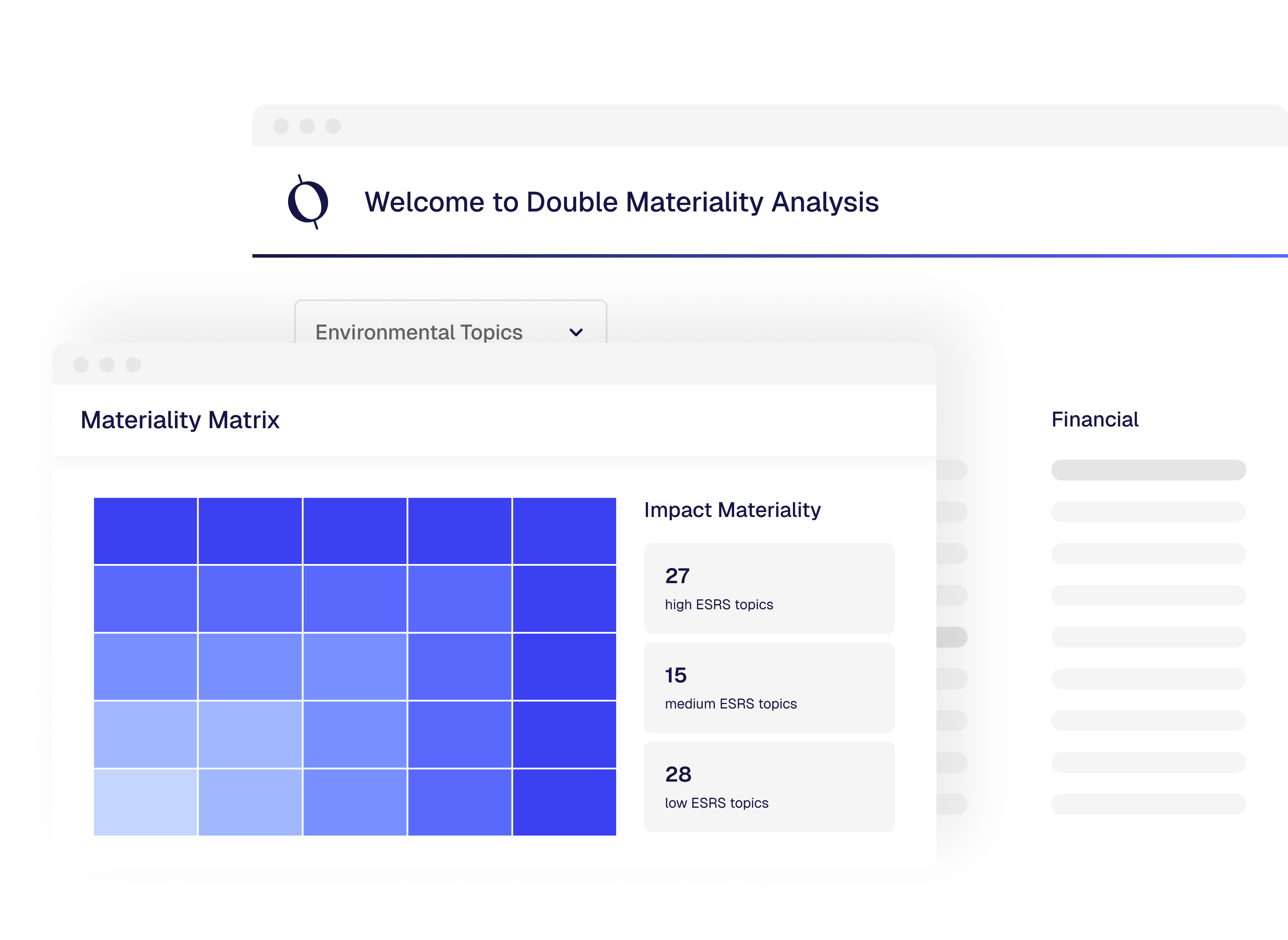

Materiality Map is an intelligent analysis engine that brings the Double Materiality approach into a digital environment, mapping an organization’s impact and risk areas in a visual, data-driven, and evidence-based way. This module is not just a survey tool. It is an end-to-end materiality solution that functions as a decision-support system for strategic investment, risk management, policy development, and sustainability reporting.
By combining corporate impacts, stakeholder expectations, value chain risks, and regulatory alignment in a single panel, it produces an audit-ready, explainable, evidence-backed materiality matrix.



Topic Universe Builder
A complete ESG topic universe relevant to the organization is automatically created based on sector, NACE code, activity type, and selected reporting frameworks (ESRS, GRI, TSRS).

Stakeholder Mapping & Surveys
Internal and external stakeholder groups are defined. The system creates tailored survey flows for each group, collects materiality ratings, and automatically validates data quality.

Value Chain Impact Scoring
ESG impacts are assessed across the full value chain (Upstream → Own Operations → Downstream), and an impact score is calculated for each topic.

Impact-to-Financial Materiality Scan
The financial effect of selected topics on the company is quantified using risk, cost, cash flow, regulatory obligation, and opportunity metrics.

Double Materiality Scoring Engine
Impact materiality and financial materiality scores are combined to automatically determine which topics are “material.”

Materiality Matrix Visualization
Results are visualized on a two-axis (Impact × Financial) materiality matrix. Each topic is classified based on color-coding and data intensity.

Gap Analysis & Policy Recommendations
Weak areas, missing policies, and process gaps are flagged by the system, and policy recommendations are provided.

ComplianceIQ Integration & Reporting
Materiality outputs are transferred to the ComplianceIQ™ panel in formats aligned with ESRS 1–2, GRI, and TSRS.
We collect internal and external stakeholder opinions using a scientific methodology, analyze their materiality levels comparatively, and generate a quantitative answer to the question "what matters to whom?"
We scan the entire value chain from supplier to customer, mapping environmental, social, and governance impacts at the upstream–operations–downstream level.
We recommend predefined topic sets based on industry, NACE code, and regulations, and automatically identify critical ESG topics by matching them with the organization's data.
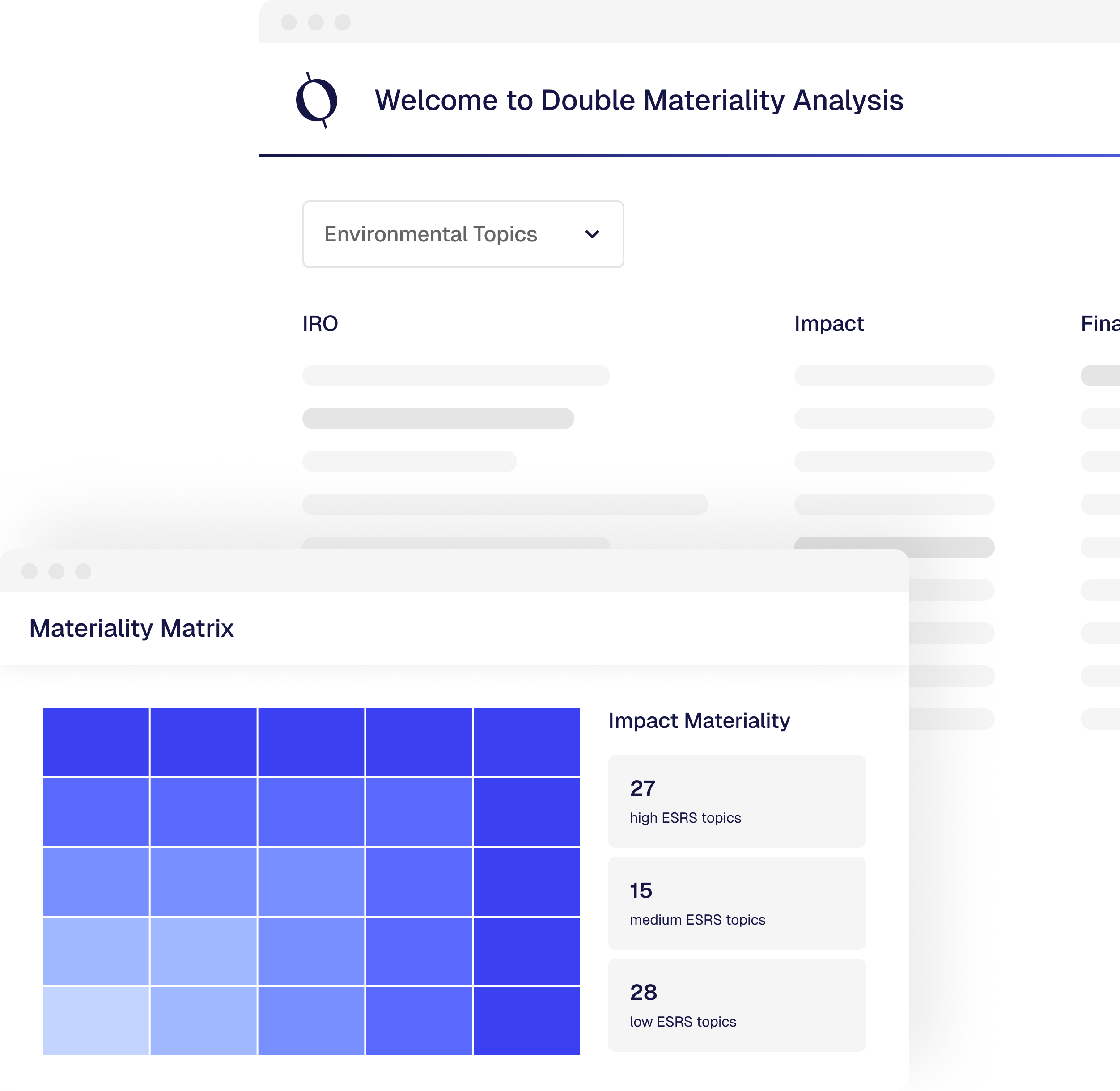
The generated materiality matrix is fully aligned with ESRS 1–2, GRI, and TSRS standards. It delivers an audit-ready, evidence-based Double Materiality output.
Does Materiality Map only collect surveys?
No. Stakeholder surveys are only one component. The system also combines impact analysis, financial risk scanning, value chain impacts, and regulatory alignment.
Is this module aligned with ESRS Double Materiality requirements?
Yes. It produces an output aligned with all materiality requirements under ESRS 1 and ESRS
How is stakeholder data quality validated?
The system improves data quality by detecting biased, incomplete, or contradictory responses.
Is the materiality matrix generated automatically?
Yes. Impact and financial materiality scores are combined to automatically generate a 2×2 materiality matrix.
Can we use these outputs in reporting?
Yes. Outputs can be used directly in ESRS, GRI, and TSRS reports. It provides a transparent, evidence-based materiality approach for banks and investors.


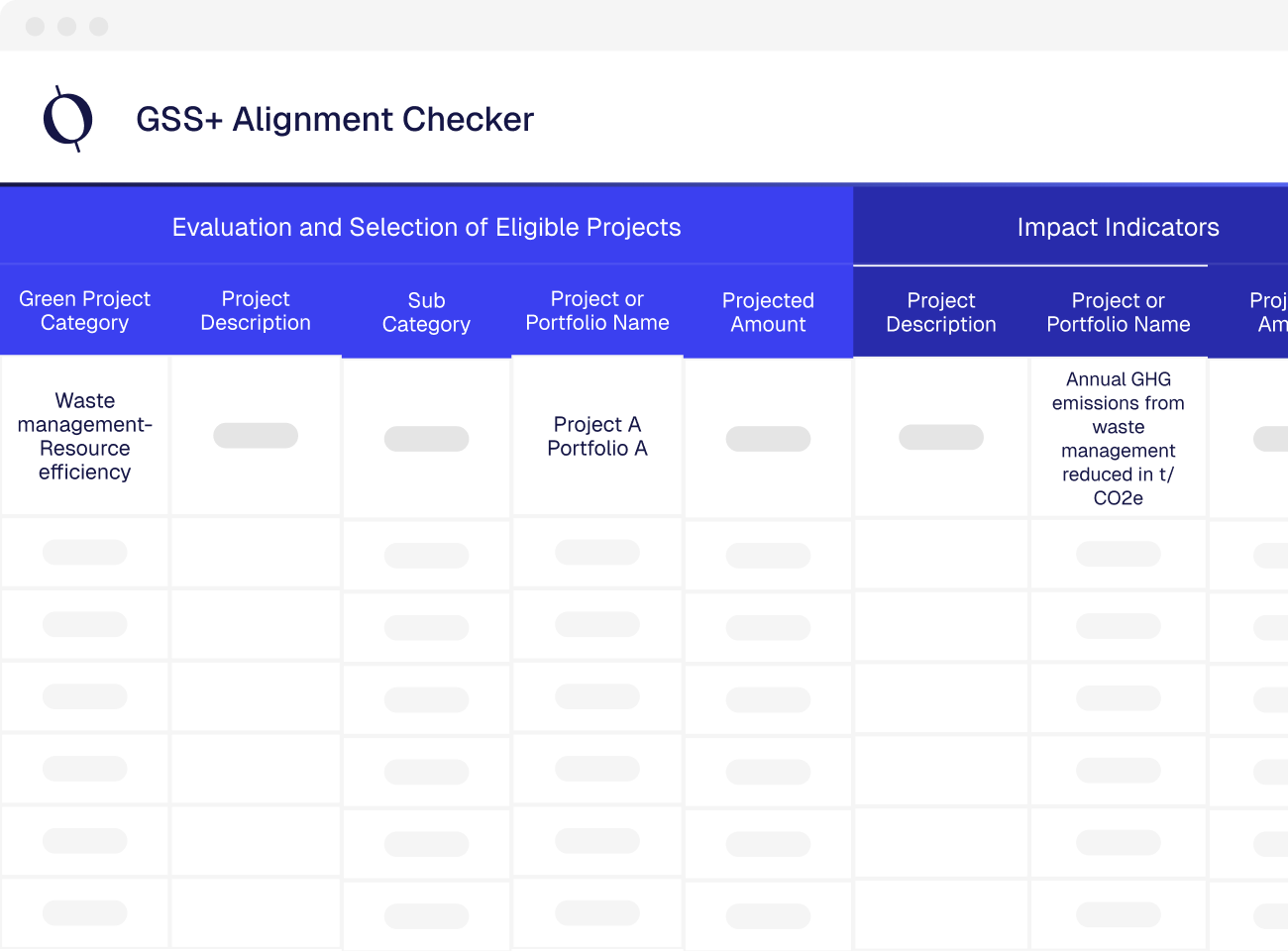
GSS+ Alignment Checker
The Intelligent Hub of Sustainable Compliance

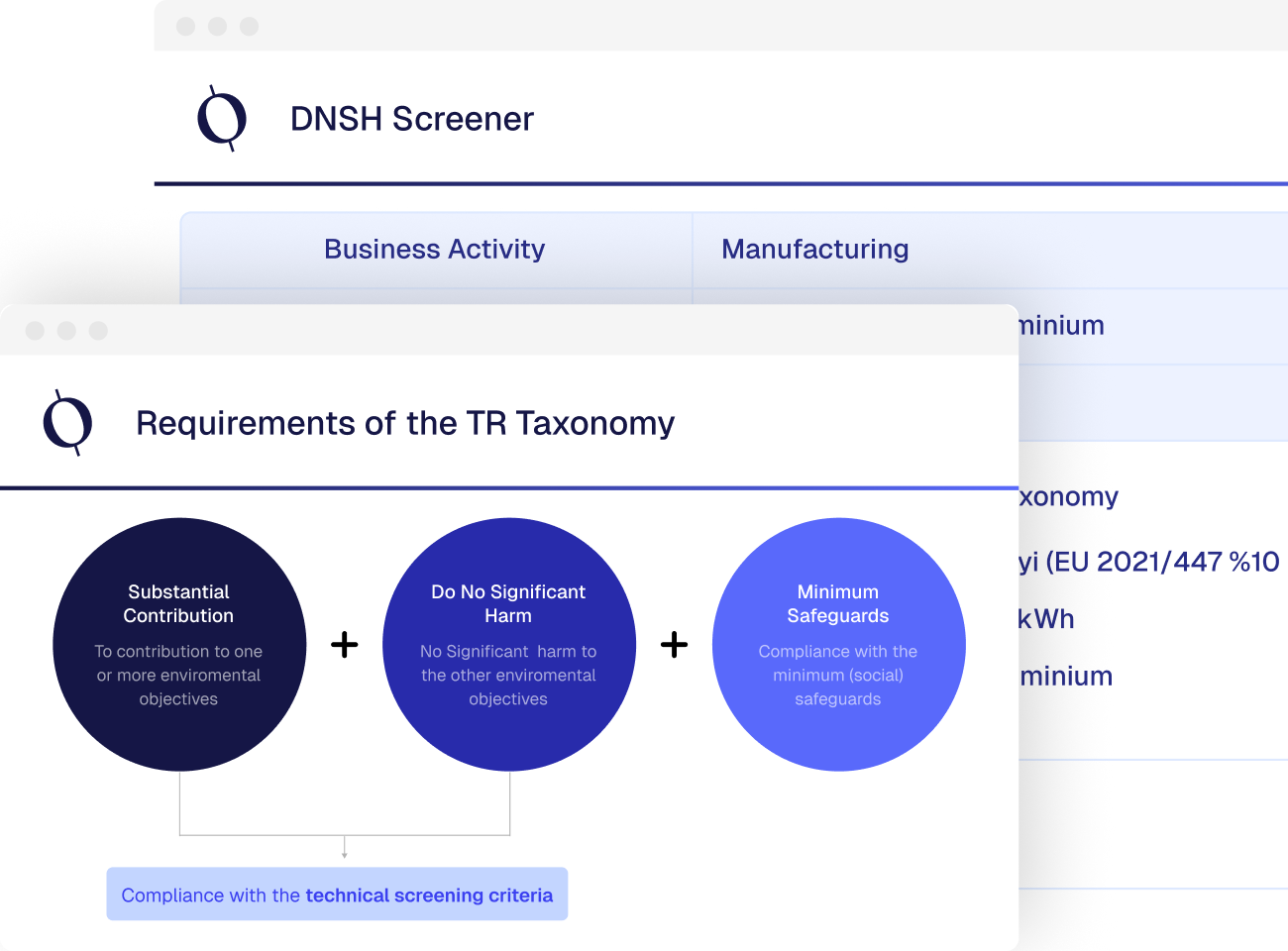
DNSH Screener
Turn the "Do No Significant Harm" principle into evidence.
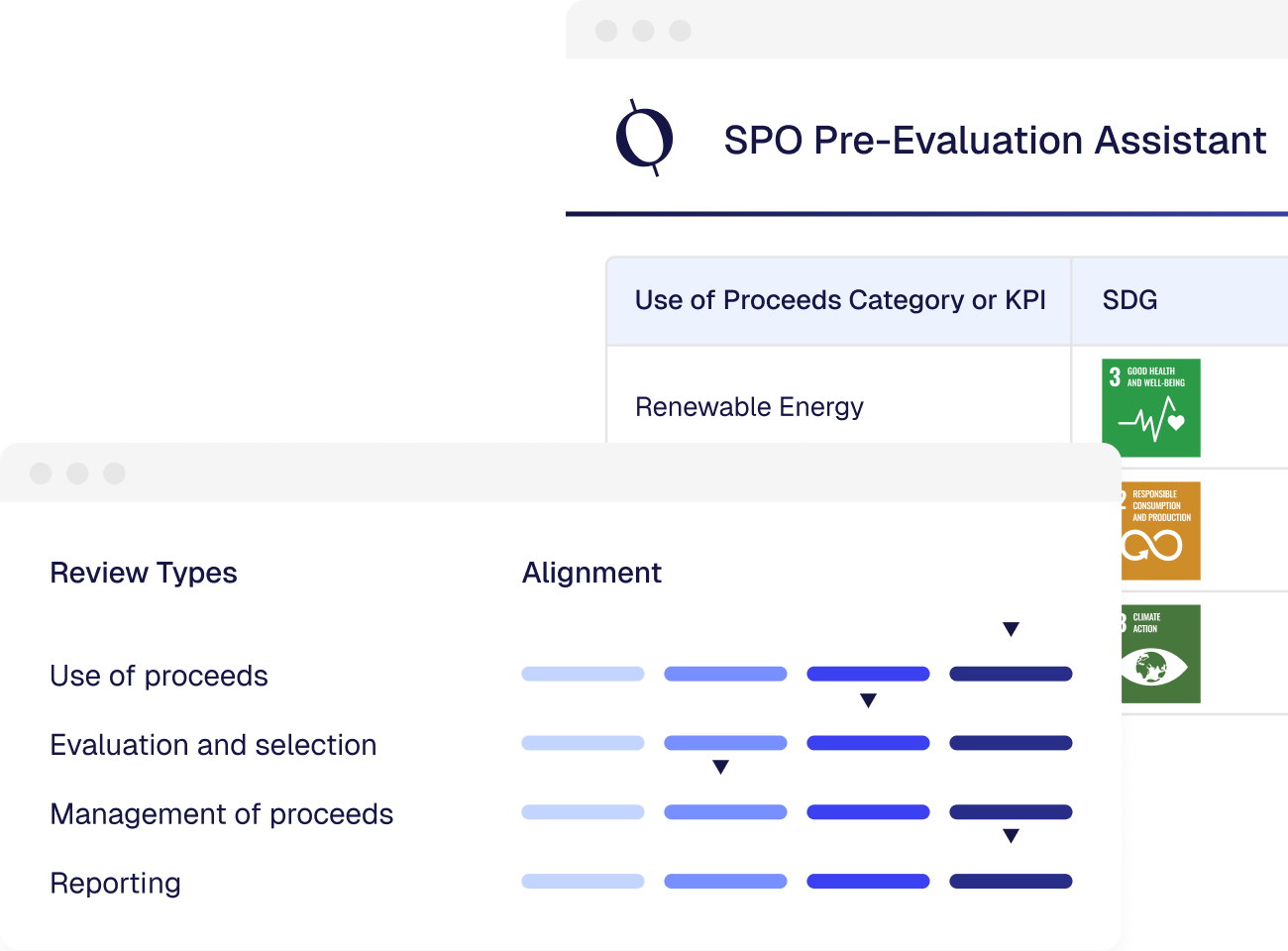
SPO Pre-Evaluation Assistant
The Intelligent Hub of Sustainable Compliance
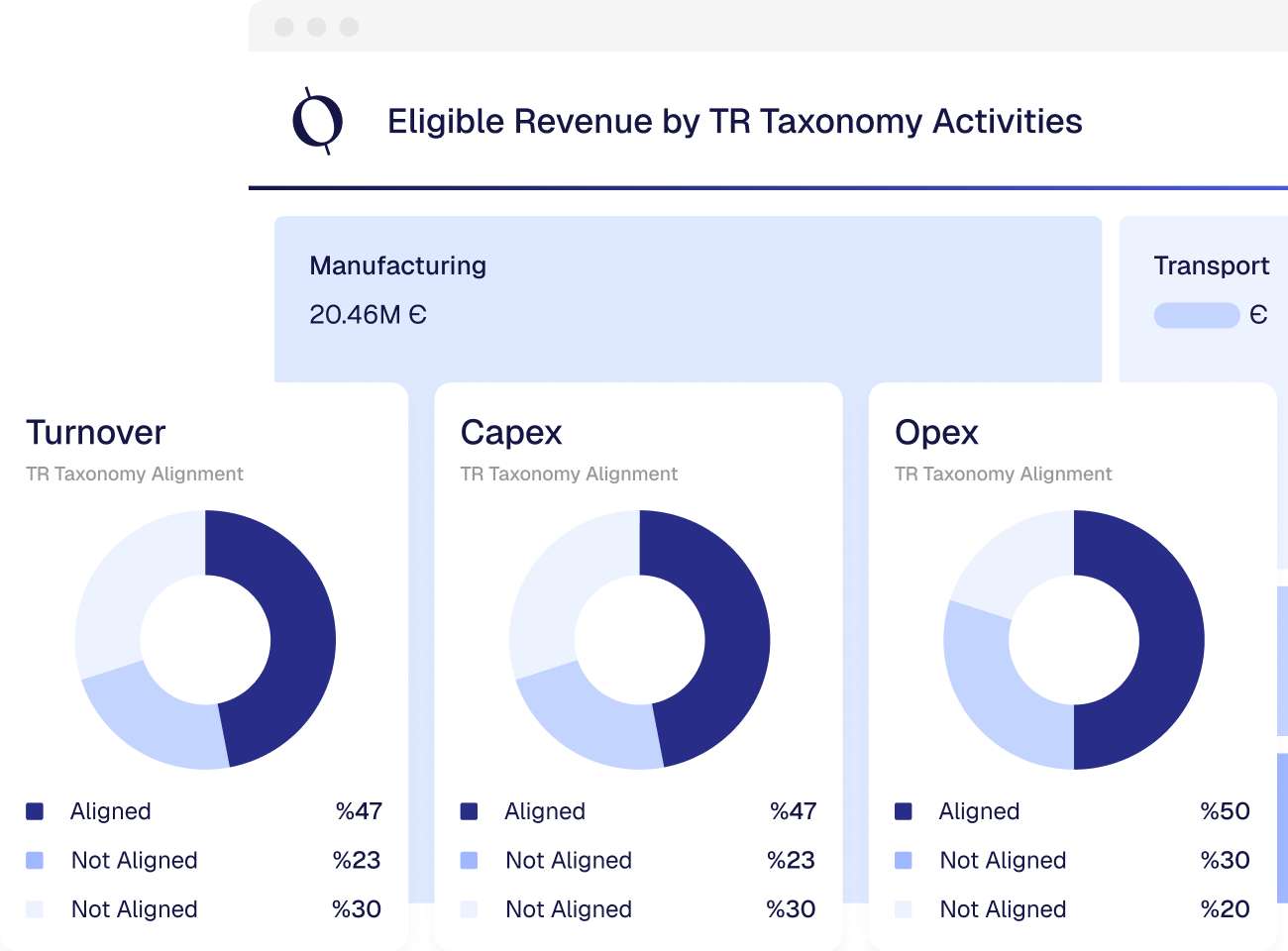
Eligible Expenditure Analyzer
The Intelligent Hub of Sustainable Compliance
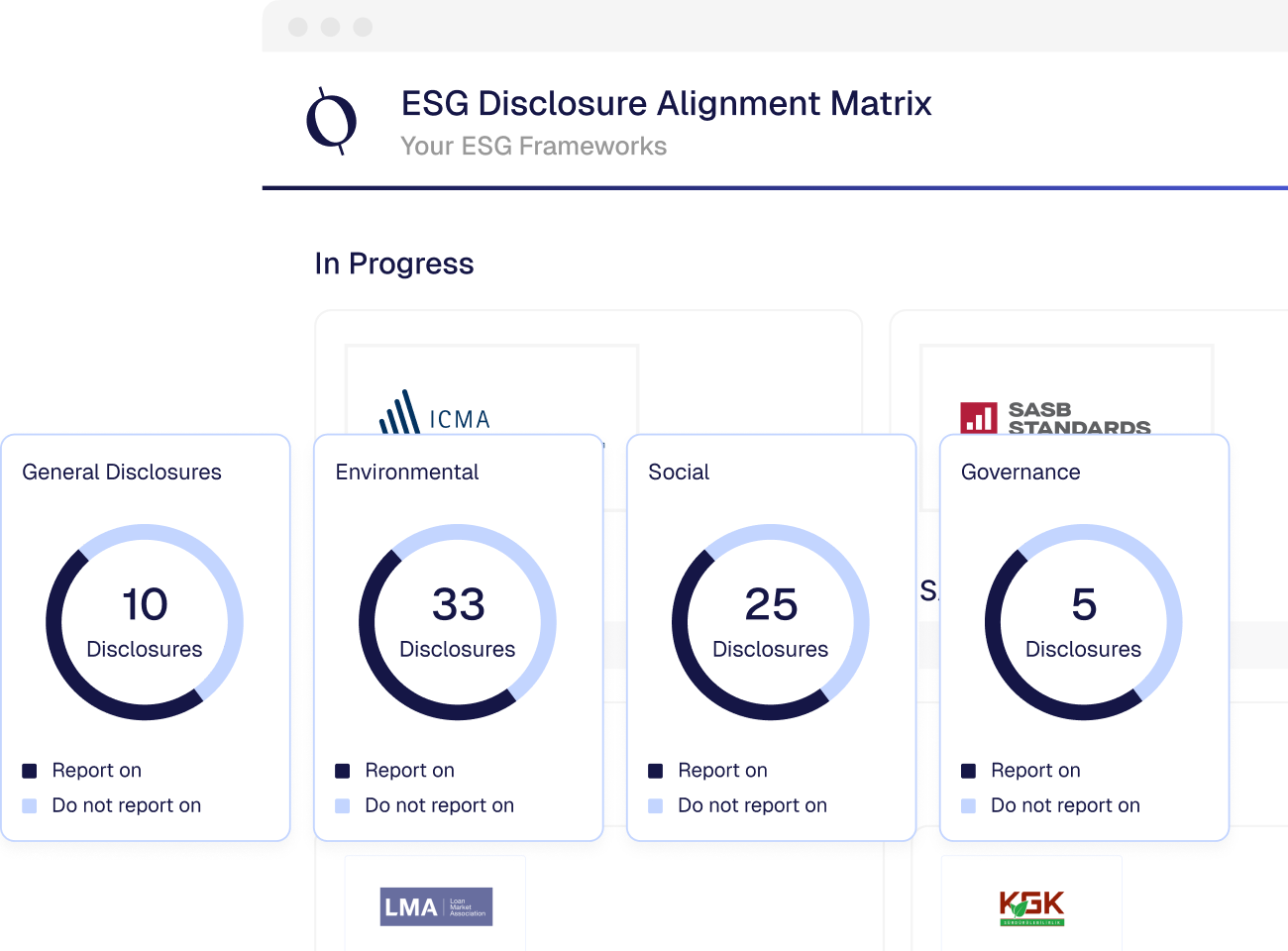
ESG Disclosure Alignment Matrix
The Intelligent Hub of Sustainable Compliance
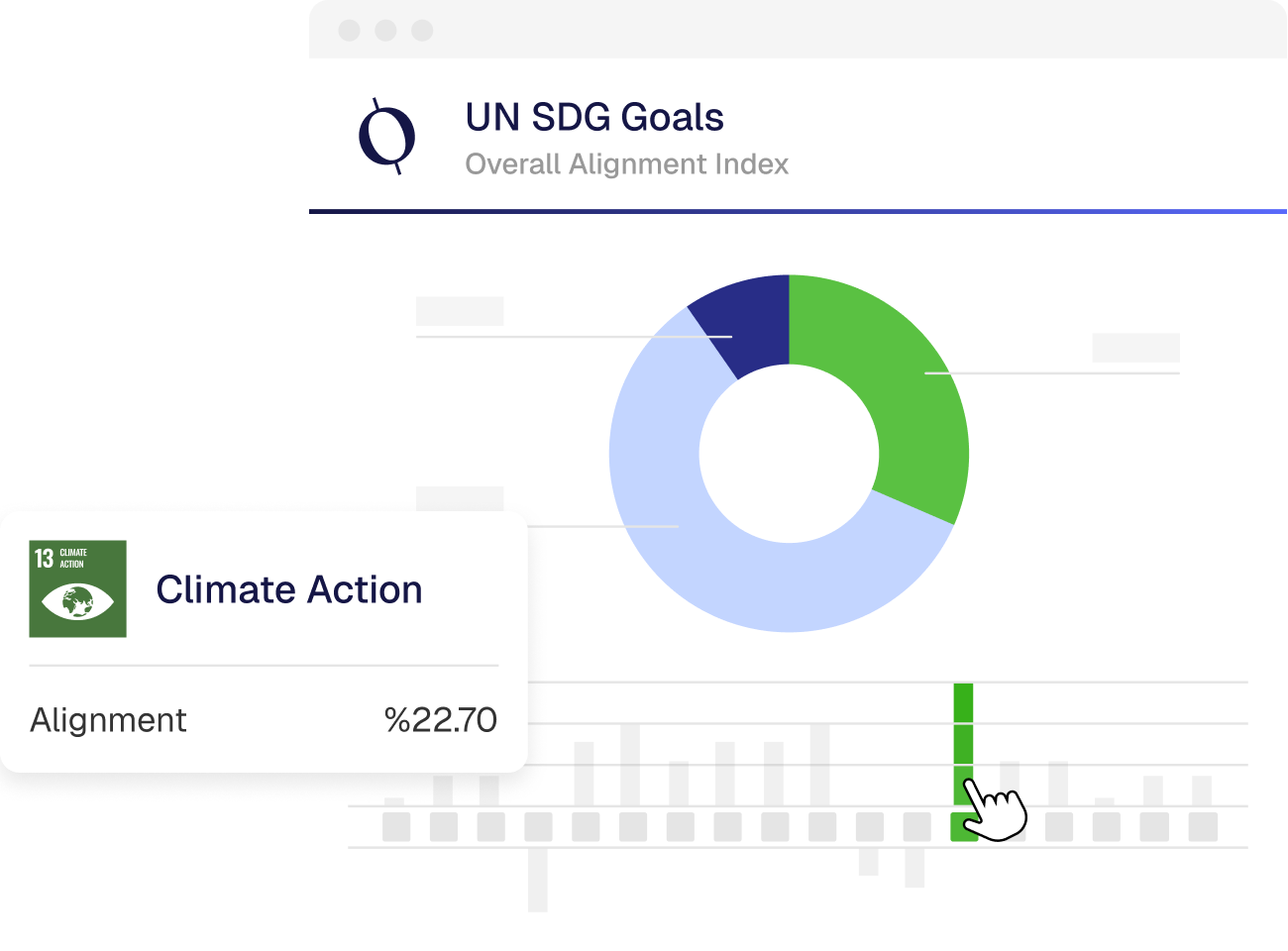
SDG Alignment Mapper
The Intelligent Hub of Sustainable Compliance
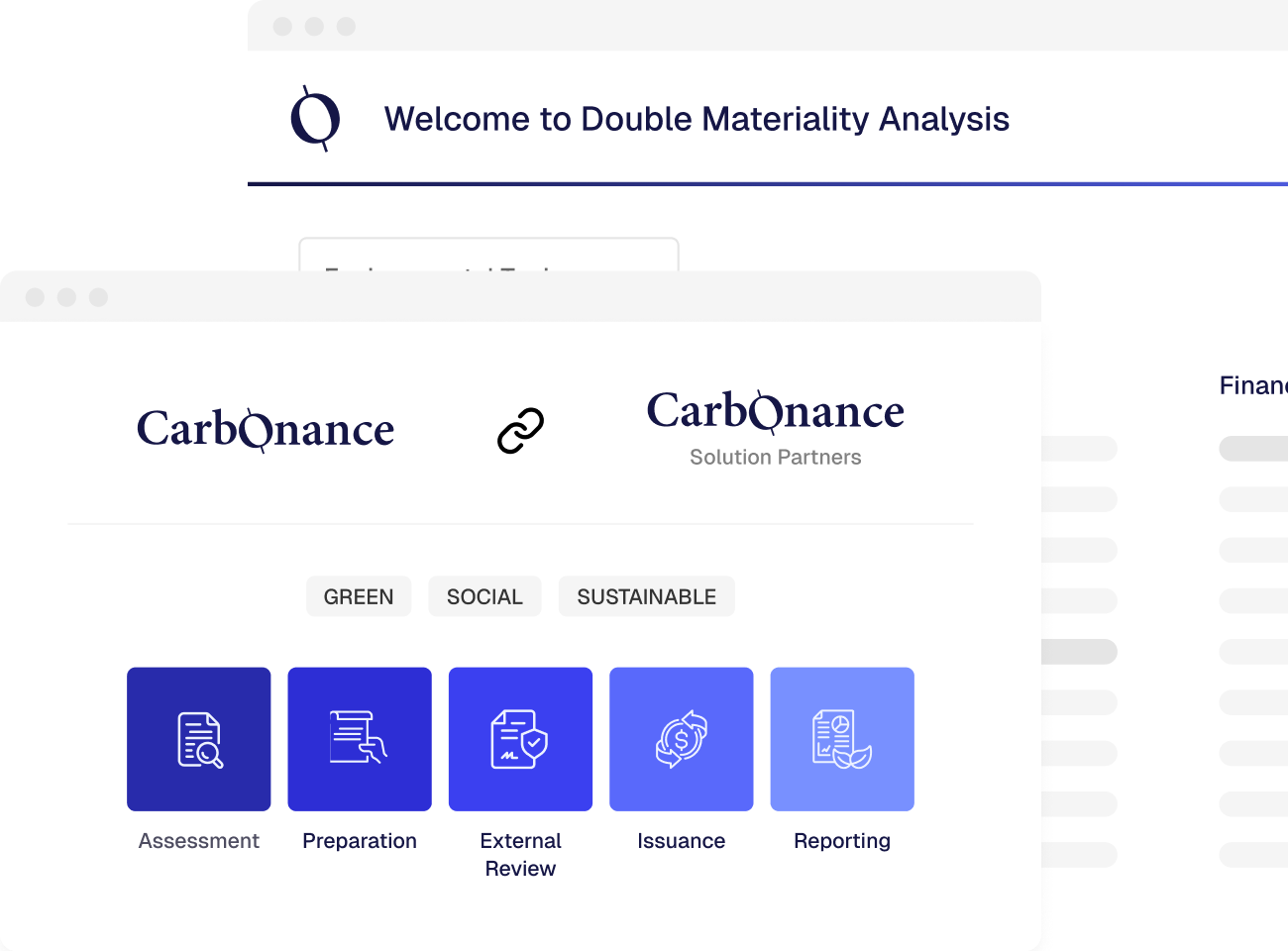
Audit & Advisory Toolkit
The Intelligent Hub of Sustainable Compliance